


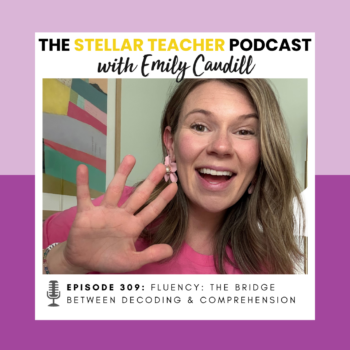
Why Reading Fluency Matters in Upper Elementary (+ 3 Easy Activities to Try!)
Fluency is more than reading fast — it's the bridge between word recognition and comprehension. In this episode of the Your Literacy Block series, Emily breaks down what reading fluency really means, why upper elementary students still need explicit fluency instruction, and three simple, research-backed activities you can start using this week.
You'll learn:
1. The 3 components of fluency: accuracy, automaticity, and prosody
2. How fluency connects to Scarborough's Reading Rope
3. Why upper elementary teachers often overlook fluency instruction
4. 3 quick fluency activities: repeated reading (with the "One Glow, One Grow" partner routine), echo reading, and silly voices
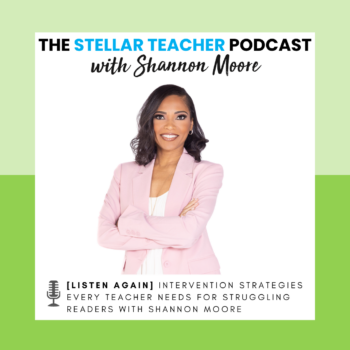
[Listen Again] Intervention Strategies Every Teacher Needs for Struggling Readers with Shannon Moore
Intervention strategies for struggling readers are one of the most important—and often most challenging—parts of literacy instruction. When intervention time is limited and student needs vary widely, it can be difficult to know where to focus your efforts. Many teachers find themselves wondering which skills to prioritize, how to group students effectively, and whether the intervention support they are providing is truly leading to growth.
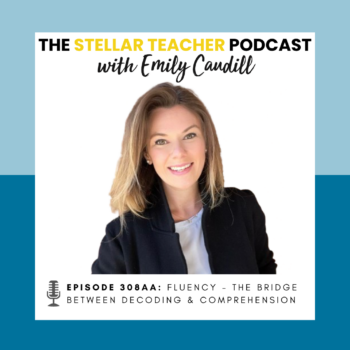
Phonemic Awareness Activities for Upper Elementary Students: Why Foundational Reading Skills Still Matter
Do phonemic awareness activities and phonics still matter in upper elementary?
The answer is yes.
Many teachers assume phonemic awareness and phonics instruction belong exclusively in the primary grades, but struggling readers in third, fourth, and fifth grade often have foundational skill gaps that continue to impact their reading success. In this episode, we're exploring why phonemic awareness activities and explicit phonics instruction remain essential in upper elementary classrooms and how teachers can address these gaps without sacrificing valuable instructional time.
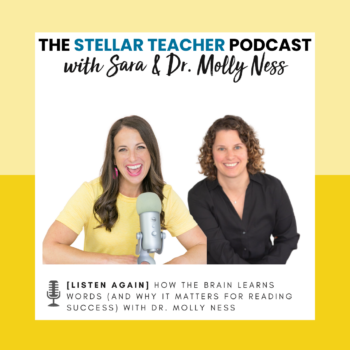
[Listen Again] How the Brain Learns Words (and Why It Matters for Reading Success) with Dr. Molly Ness
Understanding how the brain learns words can transform the way we teach reading. In this episode of The Stellar Teacher Podcast, Sara sits down with literacy researcher, educator, and co-author of Making Words Stick, Dr. Molly Ness, to explore the science behind orthographic mapping and its role in helping students become fluent readers.